What is Dandruff and Why Does it Occur in Kids?
Dandruff is a common scalp condition characterized by the shedding of dead skin cells, often resulting in white or yellowish flakes that can appear on the scalp and in the hair. While it can affect individuals of all ages, children are particularly susceptible to this condition for several reasons. Understanding the nature of dandruff and its common causes in kids can be pivotal for effective hair care.
One of the primary symptoms of dandruff in children includes an itchy scalp, which may lead to increased scratching and discomfort. Other symptoms can involve red, inflamed patches on the scalp and noticeable flakes on their clothing or hair. The distinction between adult and children’s dandruff typically lies in the children’s sensitive skin; their scalps are often more delicate and susceptible to irritants, resulting in a greater likelihood of flaky skin.
Several factors contribute to the occurrence of dandruff in children. Dry skin is one of the leading causes; during colder months, or in dry climates, environmental conditions can lead to scalp dehydration. In addition, fungal infections, particularly an overgrowth of Malassezia yeast, can exacerbate dandruff symptoms, as this organism thrives on the natural oils produced by the scalp. Furthermore, sensitivity to certain hair care products is another significant factor. Children may react adversely to fragrances, dyes, or harsh ingredients found in shampoos and conditioners, which can provoke an inflammatory response, resulting in dandruff.
To effectively manage dandruff in children, it is critical to tailor hair care approaches that consider their unique dermatological needs. This might include opting for gentle, hypoallergenic products and maintaining a consistent hair care routine to keep the scalp healthy. Understanding these underlying factors can significantly enhance the hair care journey for children experiencing dandruff.
Common Symptoms of Dandruff in Children
Dandruff, a condition often characterized by scalp irritation and the shedding of skin flakes, can manifest in various ways in children. One of the most noticeable symptoms is flaking. These flakes may be white or yellow and can often be seen on the scalp and in the child’s hair, which can be alarming for both the child and the parents. The presence of these flakes serves as a visible indicator of an underlying issue that warrants attention.
Another significant symptom is itching. Children with dandruff may frequently scratch their heads due to discomfort caused by irritation on the scalp. This itchiness can be persistent and can lead to emotional distress, causing children to feel self-conscious about their appearance. Persistent scratching may also lead to additional complications, such as secondary infections or exacerbated irritation, emphasizing the importance of managing dandruff effectively.
Irritation is another common symptom associated with dandruff. The scalp may become red, inflamed, or sensitive, leading to further discomfort. Parents should remain vigilant and monitor their children for these symptoms, as timely recognition is crucial in preventing the condition from escalating. The discomfort experienced by children can also influence their social interactions and confidence levels, often impacting their willingness to participate in activities such as sports or playdates.
In conclusion, understanding the common symptoms of dandruff in children is essential for effective management and timely intervention. Recognizing symptoms such as flaking, itching, and irritation can enable parents to take the necessary steps to provide relief and support their children’s overall well-being. Regular hair care routines and proper scalp hygiene can play a vital role in managing these symptoms and ensuring a healthier scalp for children.
Effective Home Remedies for Treating Dandruff in Children
Dandruff is a common concern for many children, often manifesting as flaking skin on the scalp. Fortunately, several natural home remedies can effectively manage this condition while ensuring that children’s delicate skin is treated with care. Among these remedies, coconut oil stands out as a favored option. Known for its moisturizing properties, coconut oil can help soothe dry scalps and reduce flakiness. To apply, warm a small amount of coconut oil in your hands and gently massage it into the scalp. Leave it on for at least 30 minutes before rinsing with a mild shampoo to remove any residue.
Another effective remedy is apple cider vinegar, which is noted for its properties that help balance the pH of the scalp. This can create an environment less favorable to dandruff. Mix equal parts apple cider vinegar and water, and apply it to the scalp using a cotton ball or spray bottle. After allowing it to sit for 15-20 minutes, rinse thoroughly. However, it is crucial to ensure that the child does not have any skin sensitivities before use.
Tea tree oil has garnered attention for its antifungal properties, which can be advantageous in combating the yeast-like fungus often linked to dandruff. When using tea tree oil, it is vital to dilute it with a carrier oil, such as coconut oil, to protect the skin. Mix a few drops of tea tree oil with one tablespoon of carrier oil, apply it to the scalp, and leave it for 30 minutes before washing it out. Lastly, aloe vera gel, known for its soothing and anti-inflammatory benefits, can also offer relief. Applying pure aloe vera gel to the scalp can help hydrate and calm irritation. Simply massage the gel into the scalp and leave it on for an hour before rinsing.
These remedies not only promote effective hair care but also support a gentle approach to treatment, suitable for children’s sensitive skin. Ensuring regular application while monitoring the child’s scalp condition is essential for determining the best course of action.
When to Consult a Pediatrician About Dandruff
Dandruff in children is a common condition that can often be managed with proper hair care and basic treatments. However, there are specific situations where consulting a pediatrician becomes essential. Recognizing these scenarios can be crucial for ensuring the well-being of your child. If the dandruff persists despite consistent over-the-counter treatments, or if it worsens over time, this could indicate a more serious underlying issue that needs professional evaluation.
Another important consideration is associated symptoms. If your child experiences itching, redness, or inflammation of the scalp along with dandruff, it is advisable to seek medical advice. These symptoms may suggest conditions such as seborrheic dermatitis or psoriasis, which require targeted treatment. Furthermore, if your child’s dandruff is accompanied by hair loss, this could signal an underlying medical condition that warrants professional intervention.
Parents should also pay attention to the age of the child. Very young children, particularly infants, should be evaluated by a pediatrician if they exhibit symptoms of dandruff, as early intervention is essential for healthy hair growth and scalp health. Certain skin conditions that present with dandruff-like flaking may have distinct treatments best suited to the unique needs of infants and toddlers.
Lastly, if dandruff seems to affect your child’s quality of life—causing distress or impacting their self-esteem—consulting a healthcare provider is recommended. A pediatrician can offer appropriate guidance and treatment options tailored to your child’s specific needs. In conclusion, while dandruff is often manageable, awareness of when to seek professional advice is crucial for maintaining your child’s overall health and comfort. Proper diagnosis can prevent potential complications and promote effective hair care solutions.
Caring for Kids’ Hair: Best Practices
Proper hair care practices play a pivotal role in preventing and managing dandruff in children. Establishing a daily routine can help maintain a healthy scalp, which is essential for overall hair care. When selecting hair care products, it is advisable to opt for mild shampoos and conditioners specifically formulated for children. These products are typically free from harsh chemicals and fragrances that may irritate the scalp or exacerbate existing dandruff issues.
Regular washing of the hair is an essential aspect of maintaining scalp hygiene and preventing the build-up of dead skin cells, which can contribute to dandruff. It is generally recommended to wash children’s hair two to three times per week. However, the frequency can vary based on individual hair types and activities. For instance, children who are very active or sweat a lot may benefit from more frequent washing to keep their scalps clean and healthy.
When it comes to styling and grooming, using a gentle comb or brush is crucial. Parents should carefully comb their children’s hair to avoid causing any irritation or damage to the scalp. It is best to start from the ends and work toward the roots, using slow and smooth strokes to minimize tugging. Incorporating softer bristles can further reduce the risk of scratching the scalp, thereby aiding in dandruff prevention.
Additionally, ensuring that children maintain a balanced diet and stay properly hydrated is vital for scalp health. Nutrients such as omega-3 fatty acids, vitamins, and minerals can positively impact hair and scalp conditions. Foods rich in these nutrients, along with adequate water intake, help in keeping the scalp well-hydrated, contributing to a healthier environment that wards off dandruff.
Understanding Cold Weather Effects on Children’s Skin and Scalp
The winter months often bring a decline in humidity levels, leading to cold, dry air that can significantly affect children’s skin and scalp health. As temperatures drop, this dry air can strip moisture from the skin, leaving it vulnerable to a range of issues including dryness, irritation, and dandruff. Children may experience flaky, itchy scalp or patches of dry skin, signaling the need for attentive and proactive hair care.
Recognizing the effects of cold weather on a child’s skin and scalp is essential for timely intervention. Common signs of dryness include redness, itching, and visible flakes. In some cases, this can exacerbate existing conditions like eczema or trigger new issues such as contact dermatitis. Dandruff, characterized by flaking and sometimes an itchy scalp, may become more pronounced in winter due to the harsh environmental conditions. Thus, maintaining skin and scalp hydration becomes crucial during these colder months.
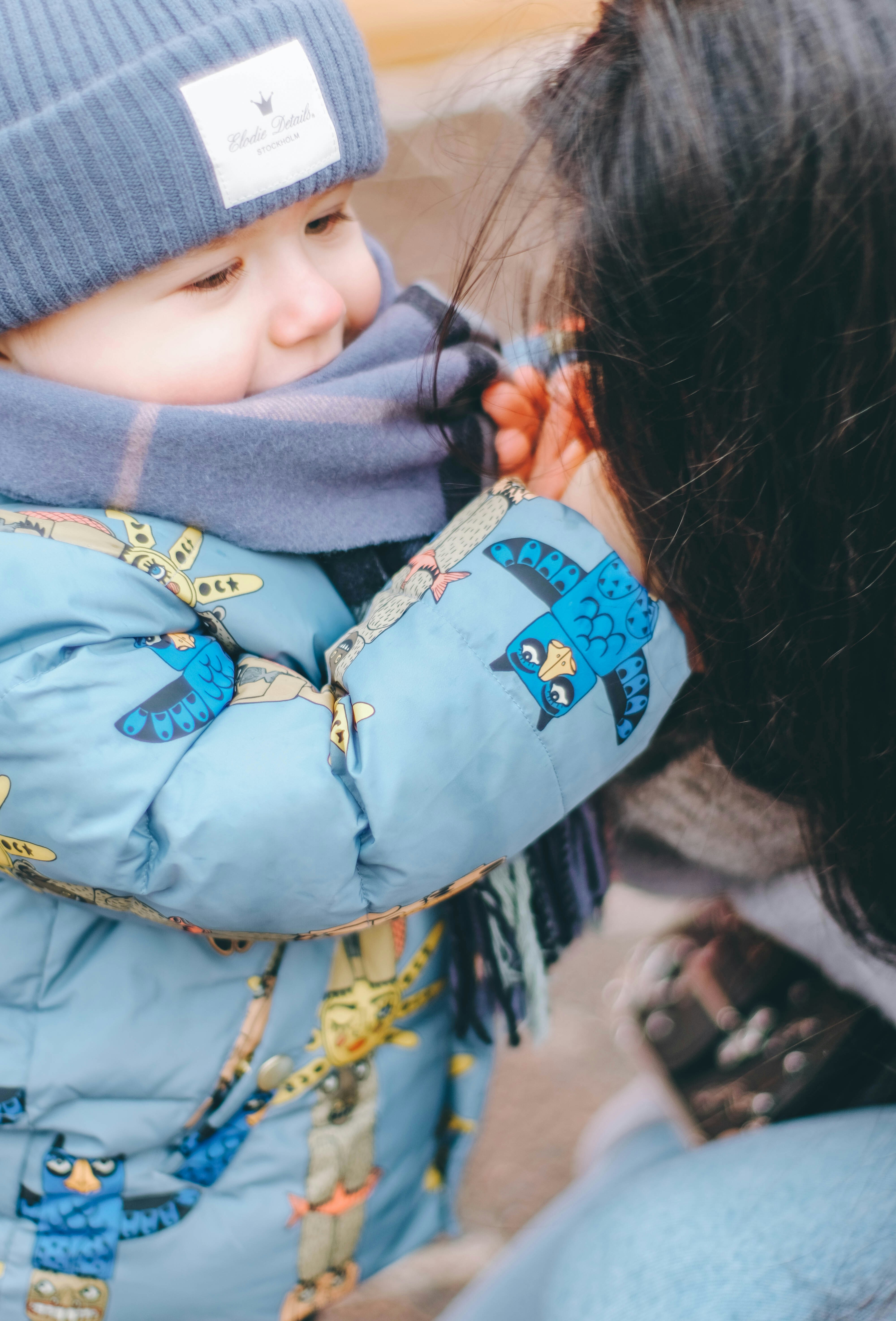
To address these challenges, parents should implement a consistent skincare and hair care routine suited to colder climates. This includes using gentle shampoos and conditioners that hydrate the scalp without stripping natural oils. Additionally, applying moisturizing agents such as oils or creams can help seal in moisture and protect against the drying effects of the environment. Ensuring that children wear hats and scarves when outdoors can also provide an added layer of protection for their delicate skin and scalp.
Taking these preventative measures is vital to mitigate the adverse effects of cold weather on children’s skin and scalp. By prioritizing adequate hydration and protective strategies, parents can help reduce the occurrence of dandruff and ensure their children maintain healthy skin throughout the winter months.
Best Clothing Choices for Kids in Cold Weather
When the cold weather sets in, ensuring that children are appropriately dressed is vital not only for their comfort but also for their overall skin and hair care. Choosing the right clothing can have a significant impact on preventing skin conditions such as dandruff, which can be exacerbated by sweating and moisture trapped against the skin. Understanding which materials and strategies effectively combat cold weather while being gentle on sensitive skin is essential.
The first step in selecting appropriate clothing is to focus on materials that provide warmth without irritating the skin. Fabrics such as cotton and bamboo are excellent options as they are soft and breathable, allowing for air circulation that helps maintain skin health. Wool is another suitable option, known for its insulating properties. However, some children may find wool itchy, so layering with a soft cotton or bamboo base layer is advisable to avoid direct contact with the skin.
In terms of layering, employing a method of layering rather than relying on a single heavy garment is generally recommended. This approach allows for the flexibility to add or remove layers based on changes in the child’s activity level or temperature fluctuations outside. Start with a moisture-wicking base layer to help absorb any sweat, which is crucial in preventing scalp and skin issues tied to excess moisture. An insulating mid-layer, such as a fleece or down jacket, can provide added warmth, while a breathable outer layer shields against wind and rain.
Ultimately, maintaining an effective balance between warmth and breathability is key. Overheating can lead to increased sweating, which may irritate sensitive skin and initiate or worsen dandruff. By carefully selecting clothing materials and implementing a strategic layering system, parents can help promote optimal hair care and skin health for their children during cold weather.
Winter Skincare Routine for Children
The winter months can present particular challenges for children’s skin, especially for those who may experience dandruff as part of an overall dry scalp condition. Establishing an effective winter skincare routine is crucial in maintaining healthy skin and hair during this time. Parents should consider their children’s unique skin needs and adapt their hair care practices accordingly.
Firstly, it is essential to select moisturizing products specifically formulated for children’s skin. Look for lotions and creams that contain nourishing ingredients such as shea butter, coconut oil, or glycerin. These ingredients help to lock in moisture, thus providing long-lasting hydration. During winter, it is advisable to apply these moisturizers immediately after bathing, as damp skin can better absorb the product, improving its efficacy. A gentle, fragrance-free cleanser should be used during baths to prevent further drying of the scalp and skin.
In addition to daily moisturizing, consider incorporating a deep-conditioning treatment or hair mask once a week. This not only hydrates the hair but can also help alleviate dandruff by soothing the scalp. When choosing a hair care product, ensure it is free of harsh chemicals that can exacerbate dryness. For outdoor play, applying a leave-in conditioner prior to exposure to cold weather is beneficial, as it acts as a protective barrier against the elements.
It is also important to keep children’s hair covered with a hat or hood while outside in cold temperatures, as this helps maintain moisture. Monitoring the environment is key; using a humidifier in bedrooms can counteract dry indoor heating, fostering a more comfortable skin condition. Overall, a consistent and mindful winter skincare routine will help maintain children’s skin and hair health, reducing the likelihood of dandruff and promoting overall wellbeing.
Combining Hair Care and Weather Protection
Effective management of dandruff in children requires a holistic approach that encompasses both diligent hair care routines and appropriate weather protection strategies. Dandruff, characterized by flakes and an irritated scalp, can often be exacerbated by environmental factors, particularly during colder months. Therefore, it is essential to recognize how a child’s hair care can be adjusted in response to changes in weather to mitigate these effects.
During the winter season, when cold and dry air can strip moisture from the scalp and hair, it is vital to maintain a regular moisturizing routine. Utilizing gentle, hydrating shampoos and conditioners can help preserve the natural oils produced by the scalp, ultimately minimizing dryness and flaking. In addition, incorporating weekly deep conditioning treatments can provide added moisture and nourishment that combat environmental stressors. When selecting hair care products, it is beneficial to choose formulations that are free from harsh chemicals to avoid further irritation to sensitive scalps.
Moreover, protecting a child’s hair from the elements is equally important. Wearing hats or scarves can provide a warm barrier against the cold, but it is essential to ensure these accessories are breathable. Overheating can lead to sweating under hats, which may exacerbate dandruff issues. Therefore, opting for materials that wick moisture away from the scalp is advisable.
Consistency in these hair care practices, combined with careful selection of protective clothing based on weather conditions, will not only help manage existing dandruff but also prevent the onset of new scalp issues. Being attentive to children’s hair care needs as they confront varying climates ensures their comfort and well-being throughout the year. By integrating both hair care routines and appropriate protective measures, parents can effectively support their children in maintaining a healthy scalp and hair condition.